
AFANASY WANDERED FOR 7 YEARS, BUT THIS WEBSITE DOESN'T LOAD THAT LONG


For centuries, merchants have been persistently expanding the world's borders, seeking and discovering new lands, establishing contacts with unfamiliar peoples. They often carried out special government missions. In 1466, the Russian merchant Afanasy Nikitin set out from Tver with goods, but instead of a successful trade, an incredible seven-year journey awaited him.
I invite you to go to distant India with Afanasy and look at this mysterious land through the eyes of a 15th-century traveler.
SEVEN YEARS, THREE SEAS AND FAR INDIA
SEVEN YEARS, THREE SEAS AND FAR INDIA
Year of birth: 1433
Place of birth: the city of Tver
AFANASY NIKITIN
Achievements:
- Experienced in long-distance trading.
- Speaks Persian and is numerate.
- One of the first Europeans to visit India.
I wrote here about my journey beyond three seas: the first sea is Derbent, the second sea is the Indian, the third sea is the Black
Find the chests to learn more historical facts from Afanasy's journey

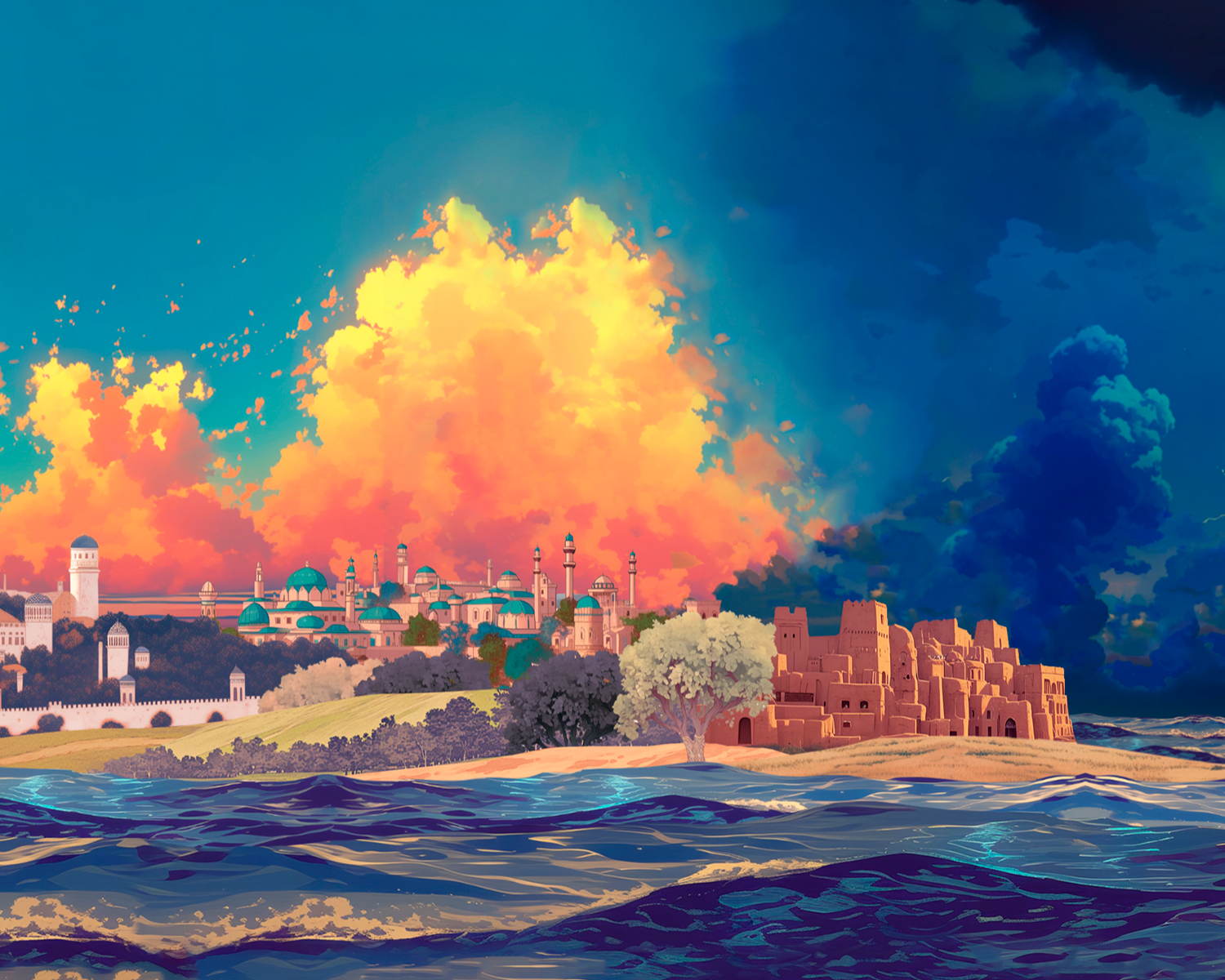


the beginning
RUSSIA - 1466
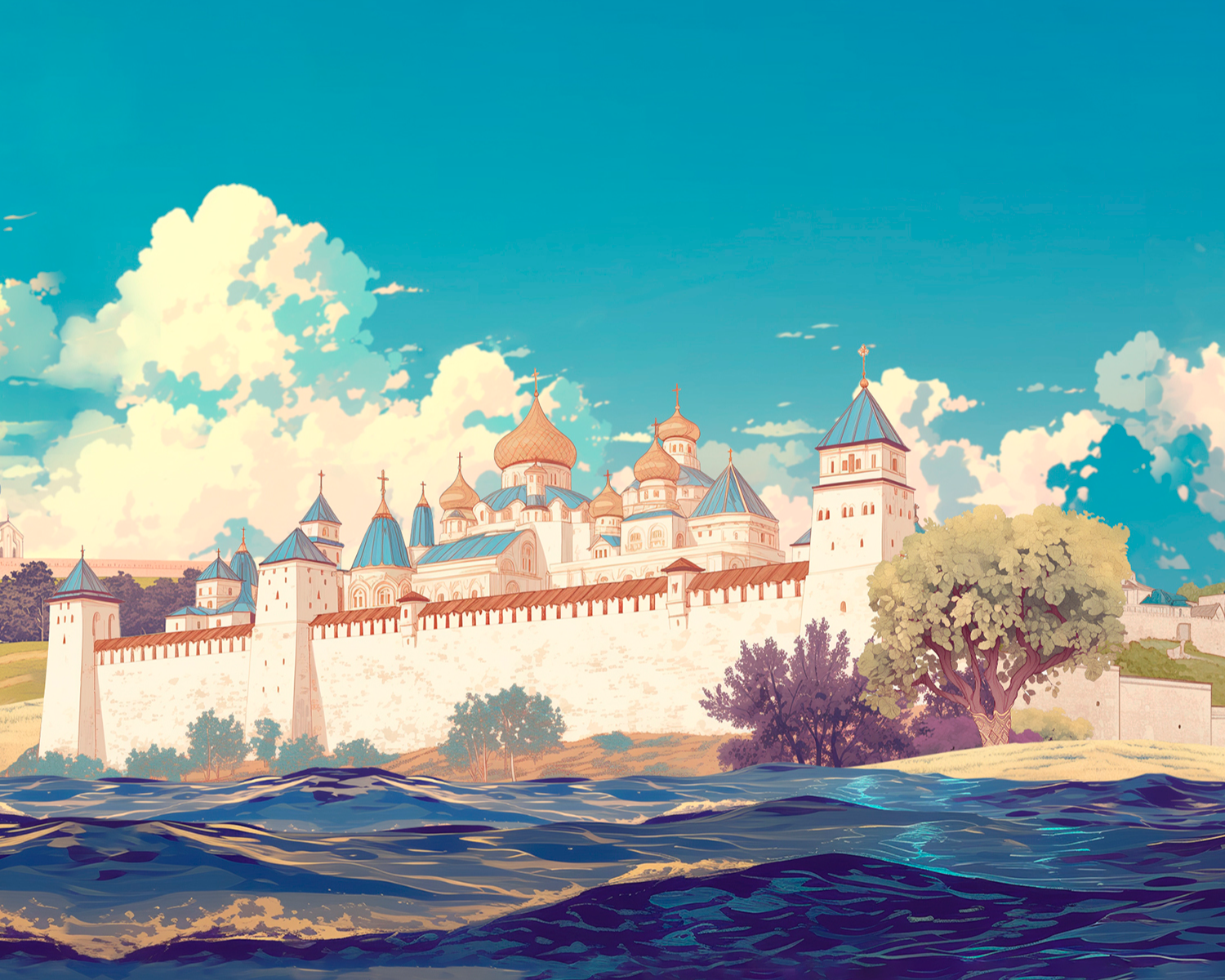
Two ships carrying Afanasy Nikitin's goods are accompanied by the Russian ambassador Vasily Papin and the Shemakh ambassador Asan-bek. The sky is clear, and it seems the journey along the Volga River, and then across the Caspian Sea, will be easy and quick.
RUSSIA
- 1466
Tver
Kalyazin
Kostroma
Nizhny Novgorod
Kazan Khanate
Astrakhan Khanate
Tarki
















The Tatars and the storm destroyed my ships: those who had something went to Rus', and those who owed money went wherever their eyes led. And I went to India.

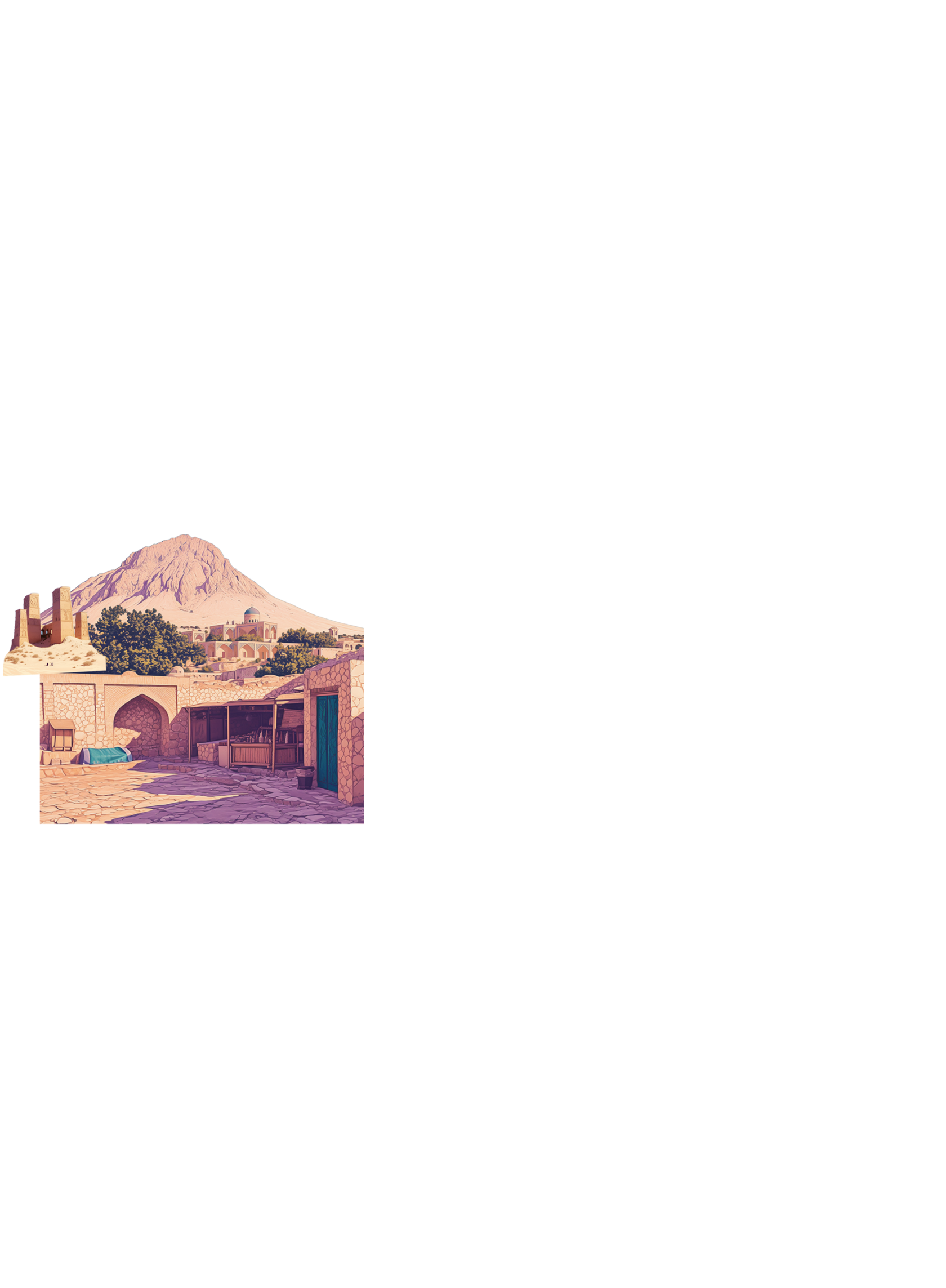
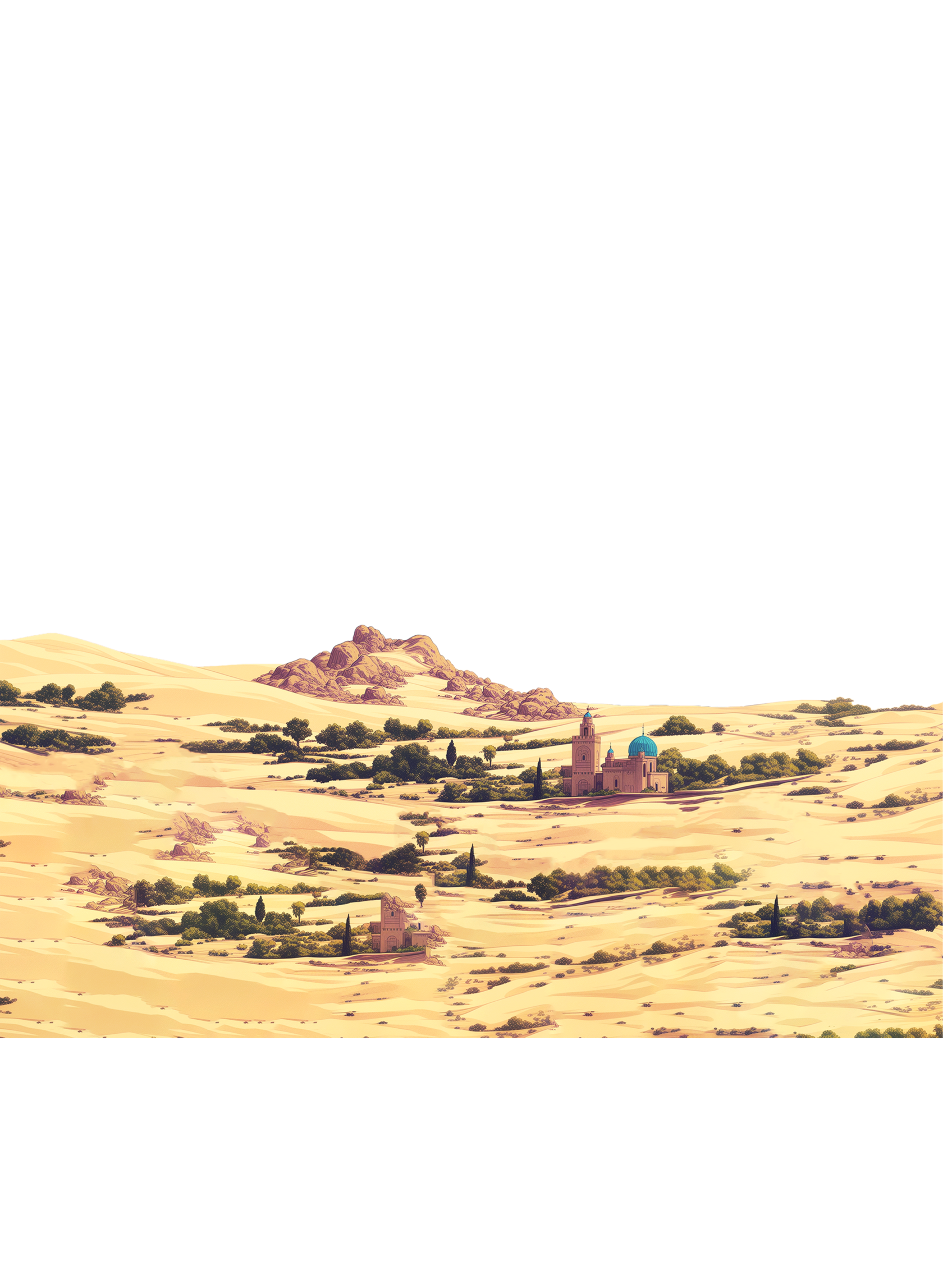
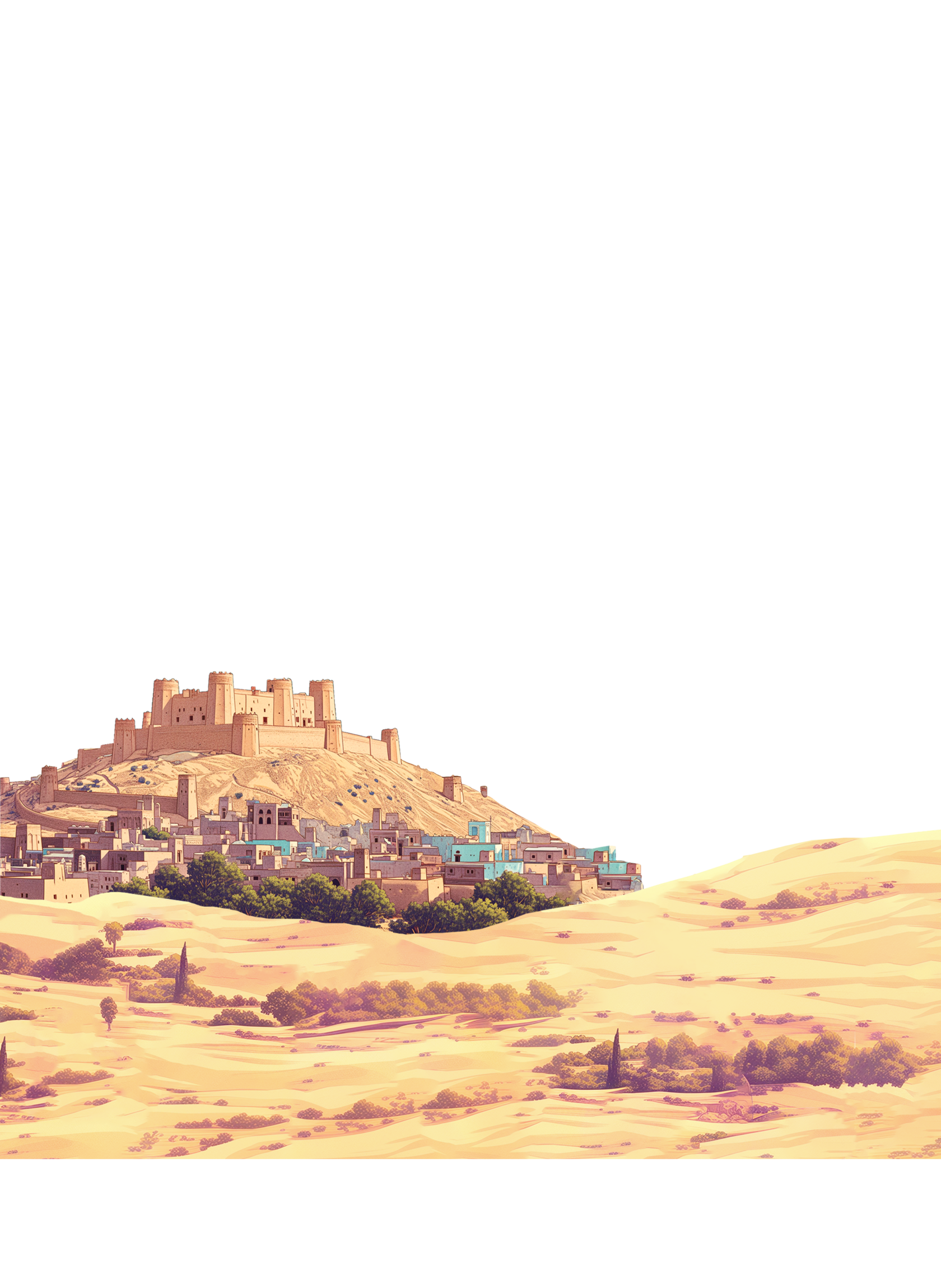
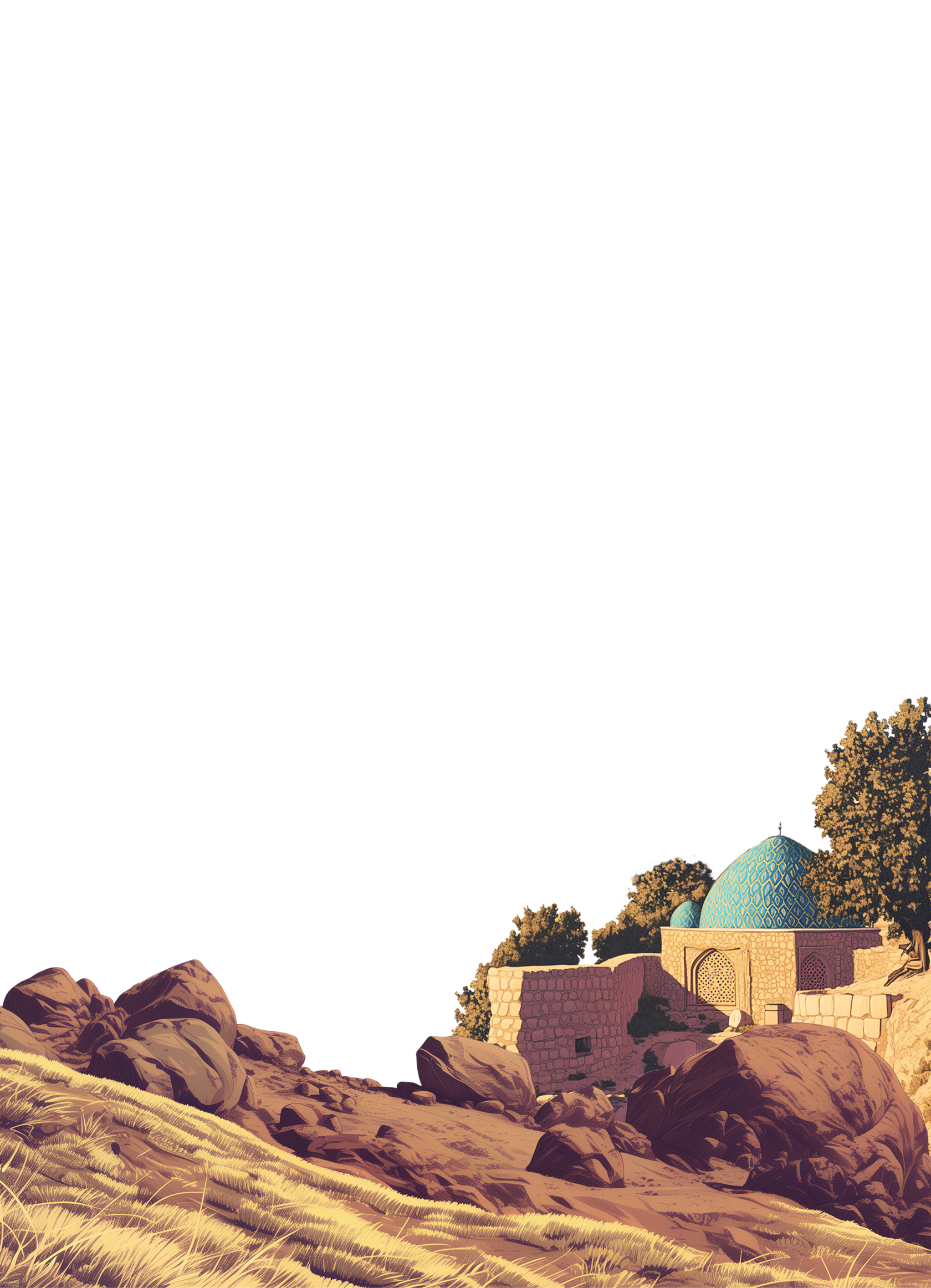
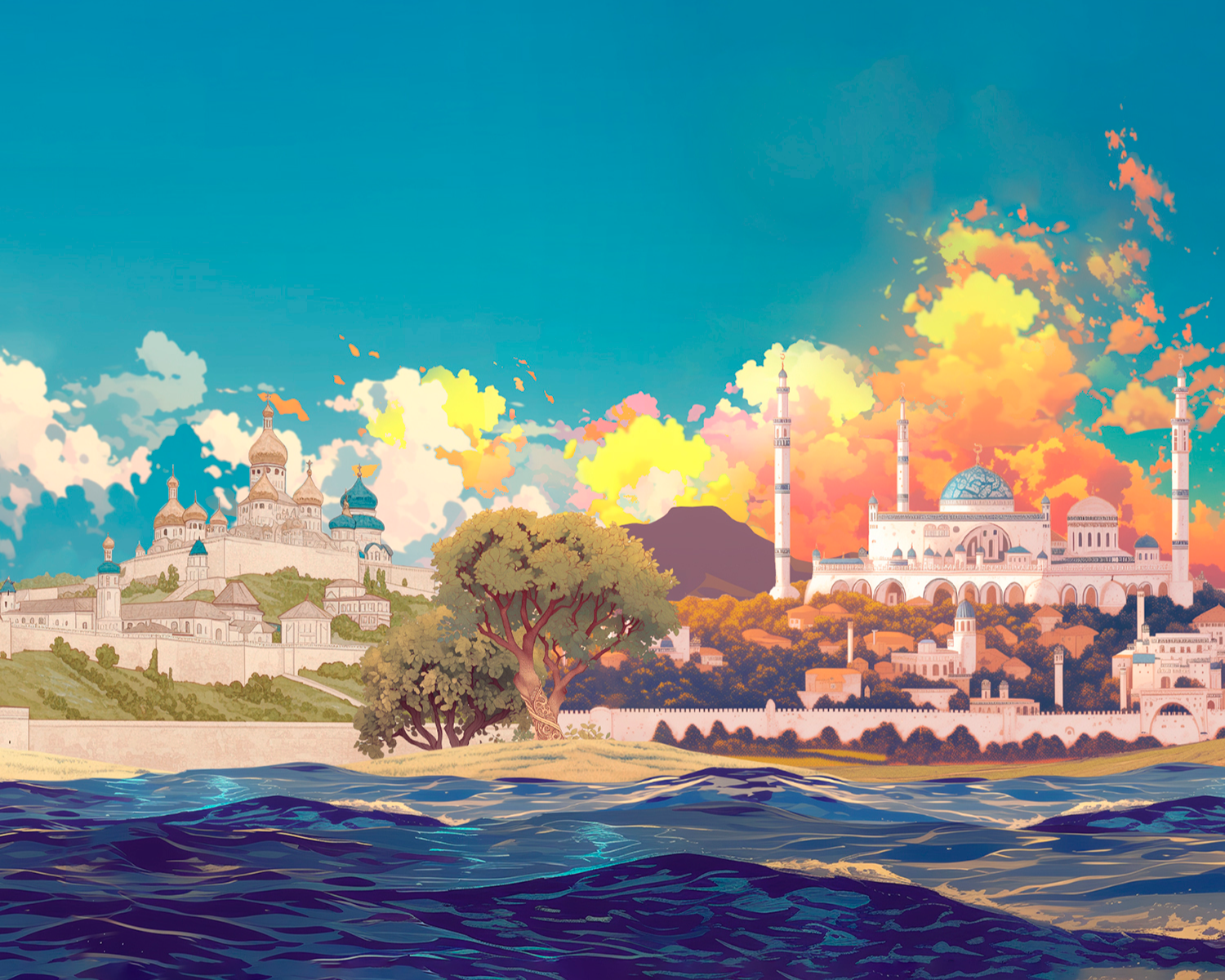
My route passed through hot Persia, rich in luxurious carpets, exquisite brocade and wonderful ceramics.
through the sands
PERSIA - 1467-1469
The route to India passed through the lands of Persia. Afanasy stopped in various cities, staying in some for a month, in others for three, and in Chapakur for six. He left no mention in his notes of why his journey took so long—perhaps he was learning Persian, perhaps he was gathering more information about India. We can only guess.
PERSIA
1467-1469
Click on the cities to learn interesting facts


"It's an island, and the sea surges against it twice a day. The sun's heat in Hormuz is so intense it could burn a man... All kinds of goods are available here; whatever the world produces, Hormuz has it. The duty is high: they take a tenth of every commodity."
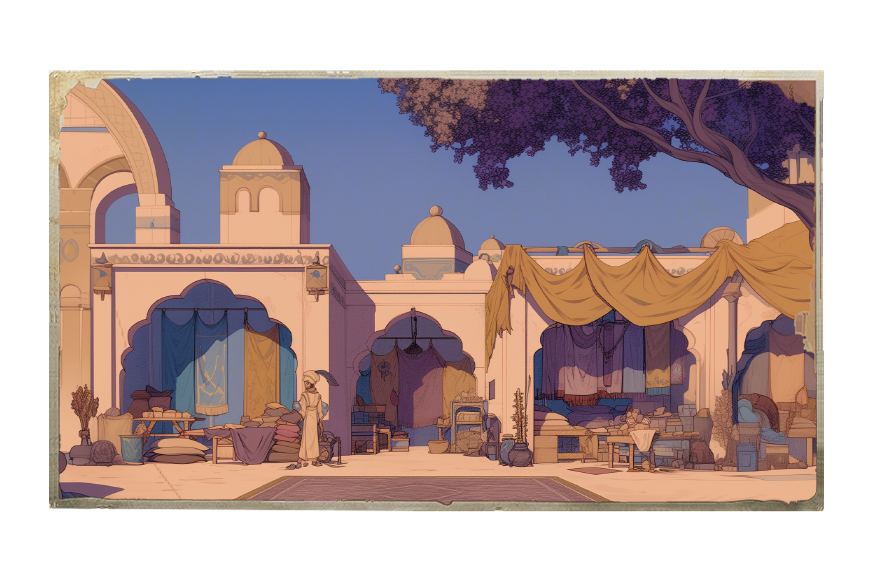
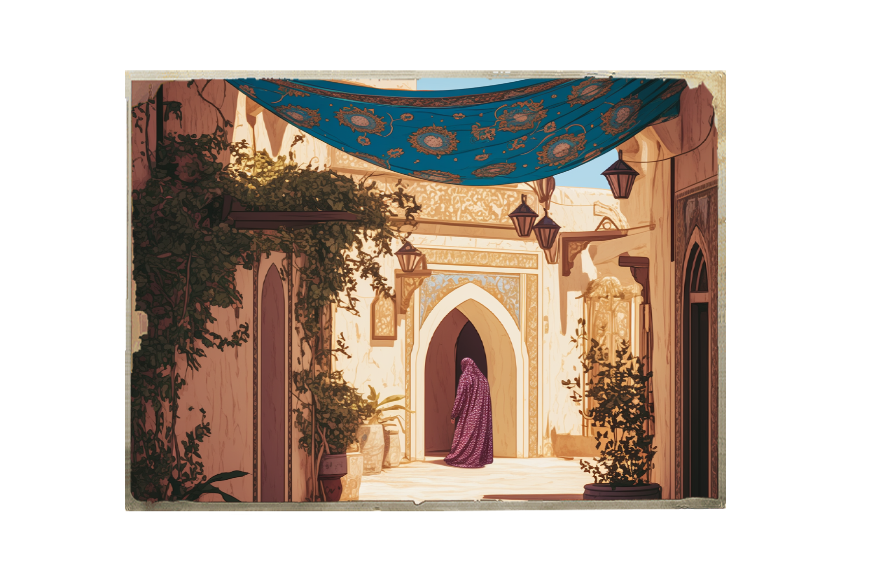
Hormuz
"The livestock here are fed dates;
dates sells for four altyns"
dates sells for four altyns"
It's difficult to determine the value of one altyn, since each principality had its own monetary unit—Novgorod, Tver, Moscow, etc. The batman also varied—about 4 kg for weighing salt, 24 kg for honey, and 65.5 kg for bulk.
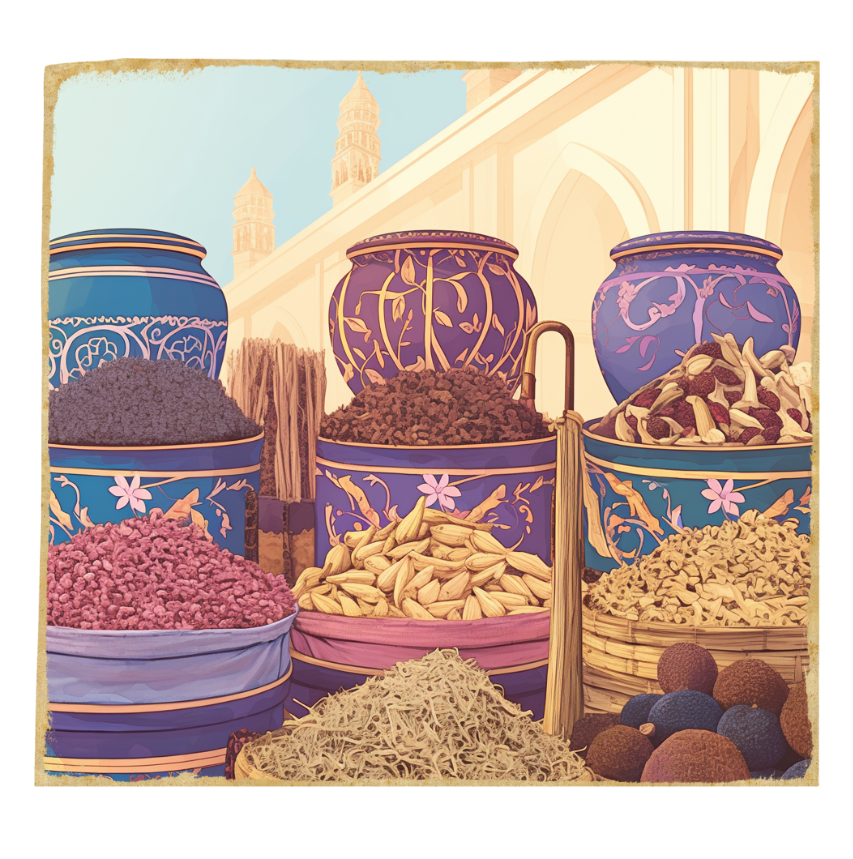
Tarom
One of the oldest cities known for its narrow streets, baḍgīrs (traditional stone carvings), ceramics, and textiles, Yazd is an important trading center on the Silk Road, which contributed to the city's prosperity. Wars and destruction have always passed it by due to the harsh desert and mountain conditions.
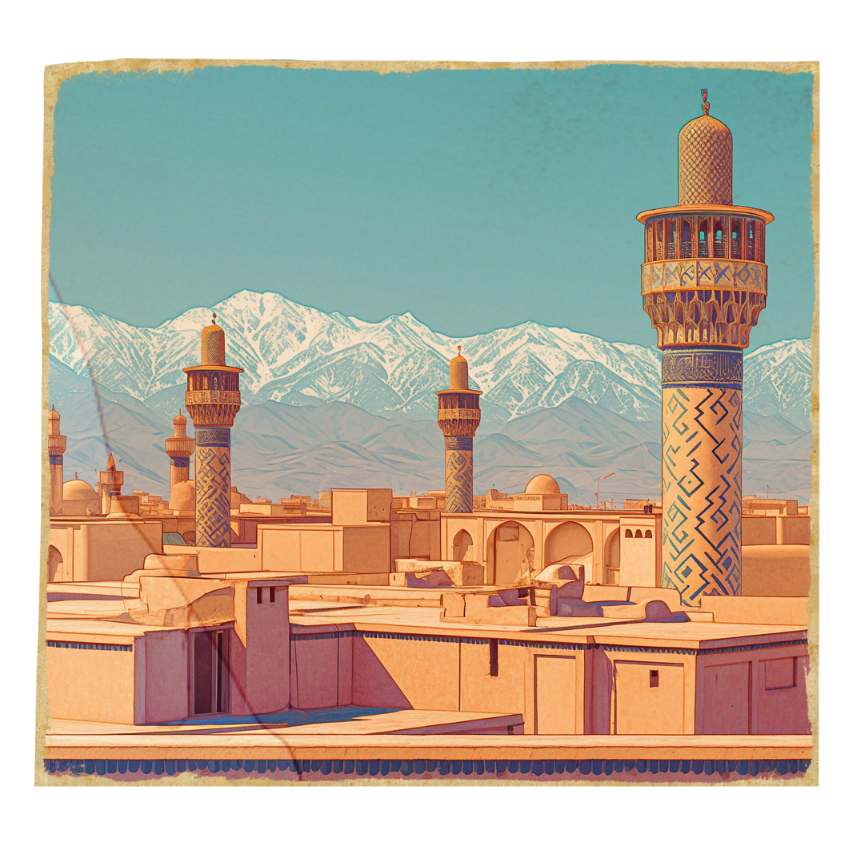
Yazd

Kashan is historically a city of artisans and creators, a capital of incredible ceramics and beautiful architecture. It is believed that it was from Kashan that the Three Wise Men set out to find the Star of Bethlehem and see the infant Jesus.
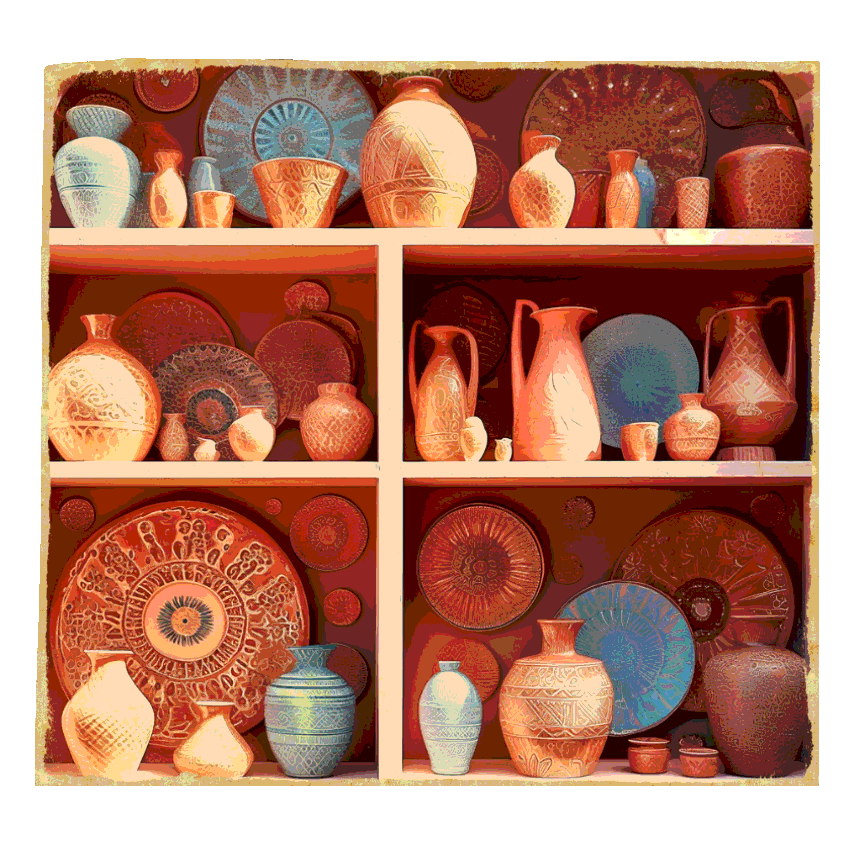
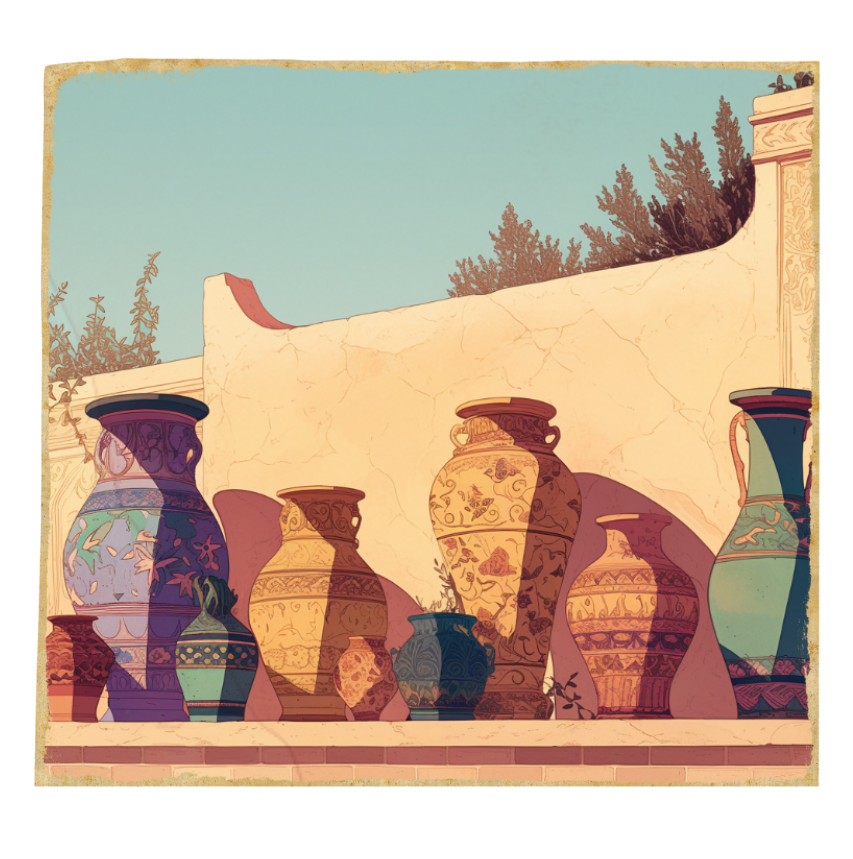
Kashan
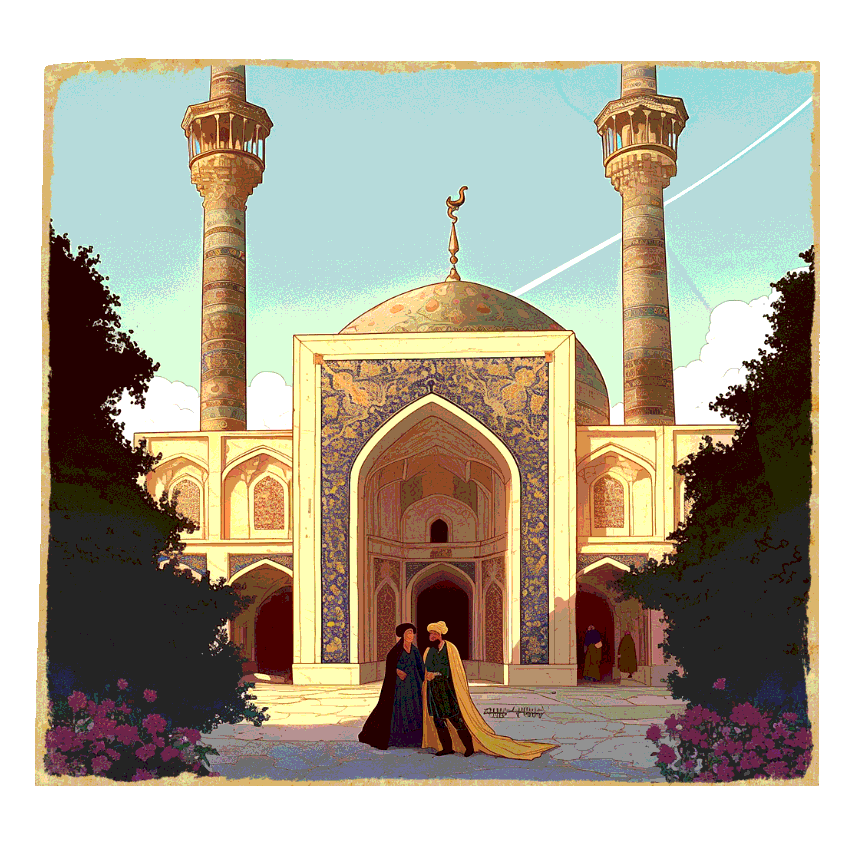
One of the most ancient cities in the world and Iran, known since long before the Common Era. It was once a large and prosperous city, home to many historical figures, including rulers, merchants, scholars, and poets. Today, it is a suburb of Tehran, the capital of Iran, which emerged much later than Ray itself.
Ray
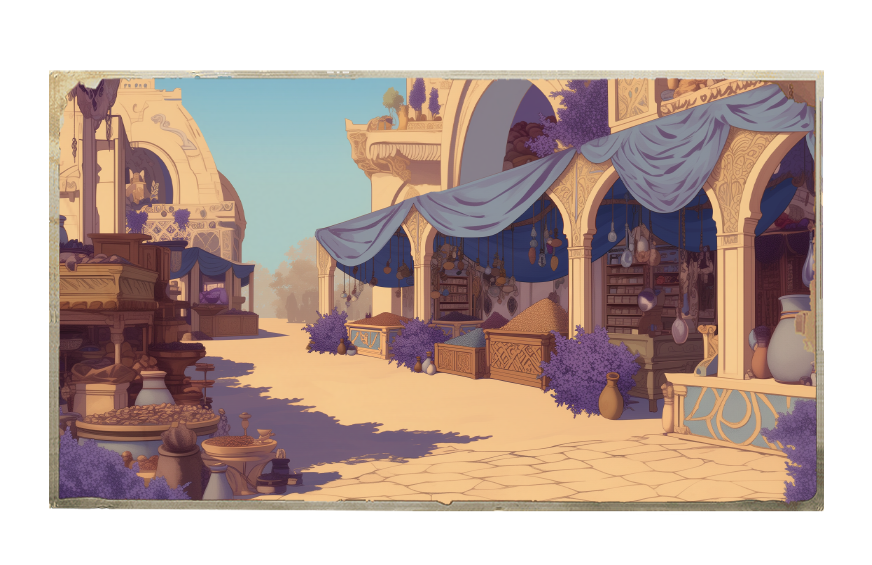
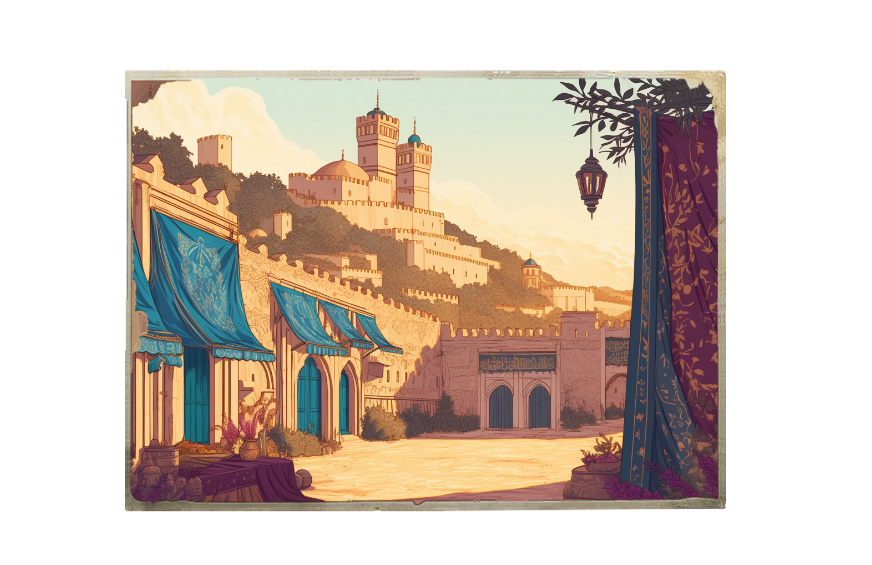
The Russian merchant lived in the port city of Chapakur for six months, from where he periodically traveled to smaller towns. This region is called Mazandaran, which can be translated as "land of divas." There is no actual city of Chapakur today, but there is a rural district called Chapakrud-e Sharqi, where they plan to erect a monument to Afanasy Nikitin.
Chapakur
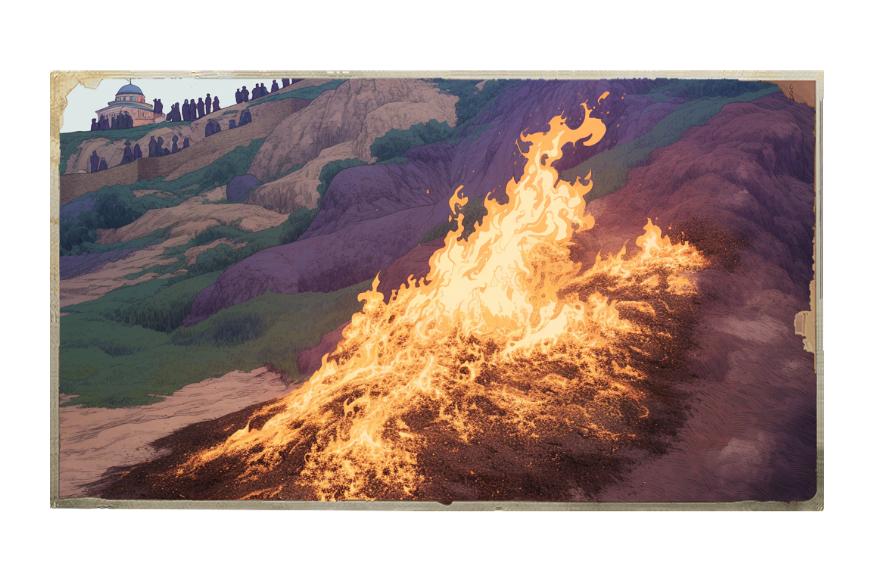
During the time of Afanasy Nikitin, the city was famous for its "unquenchable fire"—blazing fountains of oil and gas. In the 15th century, Baku belonged to the Shirvanshahs, with whose ambassador the Russian merchant began his journey. The city later became part of Persia, and in 1805, of the Russian Empire. It is now the capital of Azerbaijan.
Baku
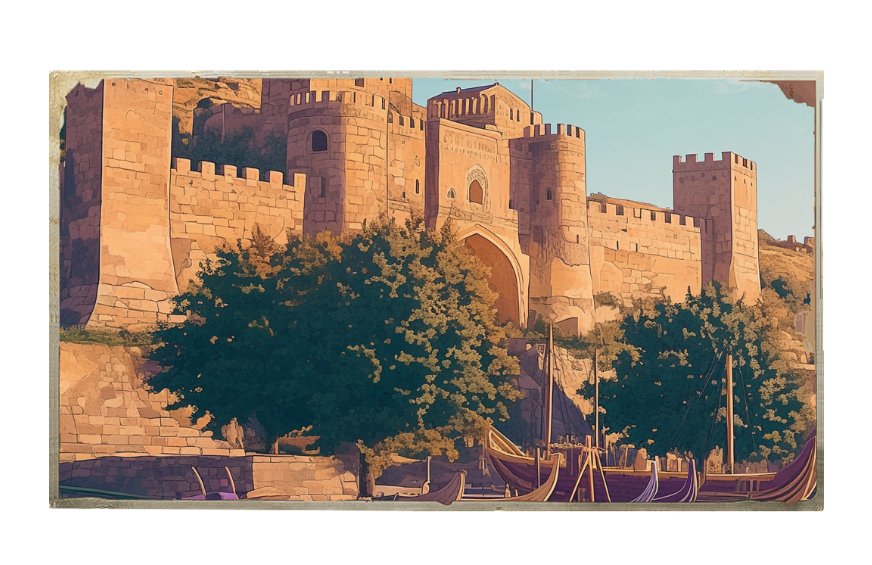
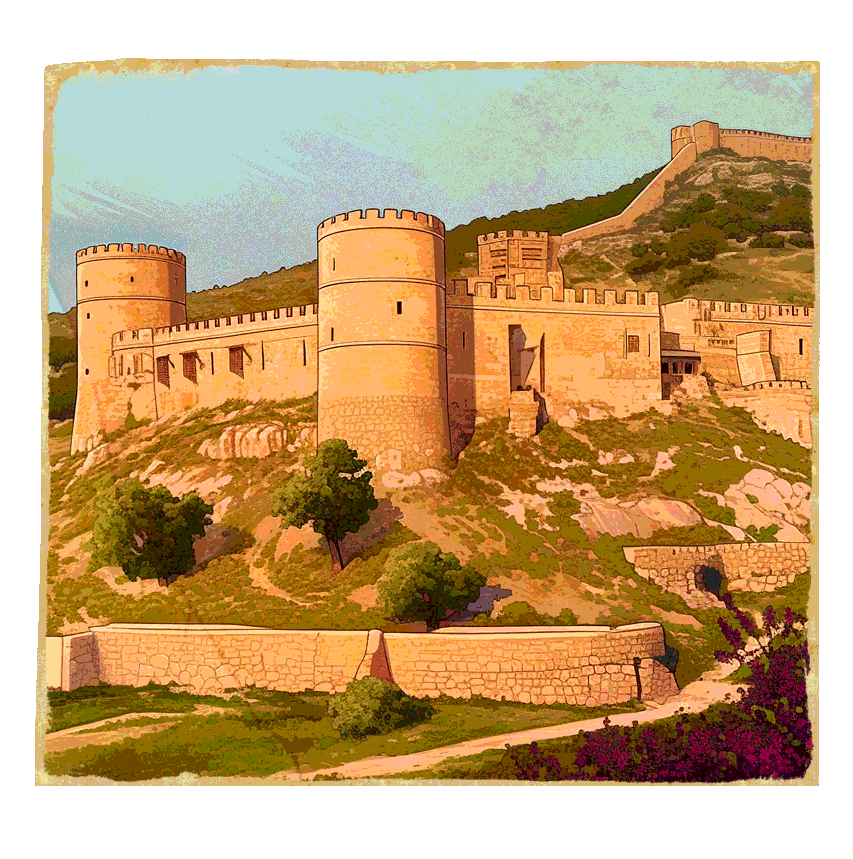
One section of the Great Silk Road from East Asia to the Mediterranean passed through Derbent. Its mighty fortress, Naryn-Kala, which means "Sun Fortress" in Middle Persian, has towered over the Caspian Sea since the sixth century. Today, Derbent is one of the oldest cities in Russia.
Derbent
Having arrived in the city of Hormuz,
I bought a horse - I will sell it for a lot of money in India.
I bought a horse - I will sell it for a lot of money in India.
We sailed the Indian Ocean for a little over six weeks and sighted the land of Muscat. Our route led us to the cities of Cambay and Chaul, located to the south.
INDIA - 1469-1472
INDIA
- 1469-1472
in distant lands
Afanasy encountered many unknowns in the Indian lands - he spent most of his time in the cities of the Bahmani Sultanate, but in his notes he does not limit himself to them, but also observes the life of ordinary Indians.

And ere I am in India, where everything is wonderful: wherever I go, many people follow me

1
2
3
4
?
I met different animals in India: there are those that live with us, but there are more of those that do not live on our land - huge elephants, strange snakes, and mammon.
Click on the numbers
GUKUK
"And in that Aland there is a bird called the gukuk, which flies at night and cries, 'kuk-kuk'; and whoever's house the bird lands on someone in the house will die there, and whoever tries to kill the bird it will breathe fire from mouth"
The "gukuk" bird is a Bengal eagle owl, which often nests in mango plantations near people.
MONKEY
They have a monkey prince who travels with his army. If anyone harms the monkeys, they complain to their prince, and he sends his army. They come to the city, destroy houses, and kill people. And the monkey army, they say, is very large, and they have their own language. They have many cubs, and if any of them are born neither like their mother nor their father, they are abandoned on the roads. Some Hindustanis pick them up and teach them all sorts of crafts; and if they sell them, they do so at night, so they cannot find their way back, and others are taught to amuse people.
BUFFALO
"There are no horses in the Indian land, but in their land there are bulls and buffalos - they ride them and carry goods and other things, they do everything."
The water buffalo was domesticated in the third millennium BC. The wild water buffalo's life is closely linked to water: it prefers swampy jungles and densely shrub-covered river valleys, and is a skilled and long-distance swimmer.
SNAKES
"In Bidar, snakes two fathoms long crawl along the streets."
One fathom is approximately two meters and is measured as the distance between the fingertips of two outstretched hands, meaning Afanasy Nikitin observed snakes over four meters long.
The most common snakes in India are various species of cobras and vipers.
The most common snakes in India are various species of cobras and vipers.
MAMMON
"Mammons go out at night and snatch chickens, and they live on hills or among rocks."
There are suggestions that Afanasy was describing a member of the feline family by "mamon," of which, in addition to tigers and lions, leopards and wildcats are also found in India. During Nikitin's travels, cheetahs were also present. However, no one has yet determined exactly what mamon is.
I arrived in another city—they were selling horses, brocade, silk, and all sorts of other goods, but the only edibles were vegetables. I sold my horse there, but didn't get anything special with it.



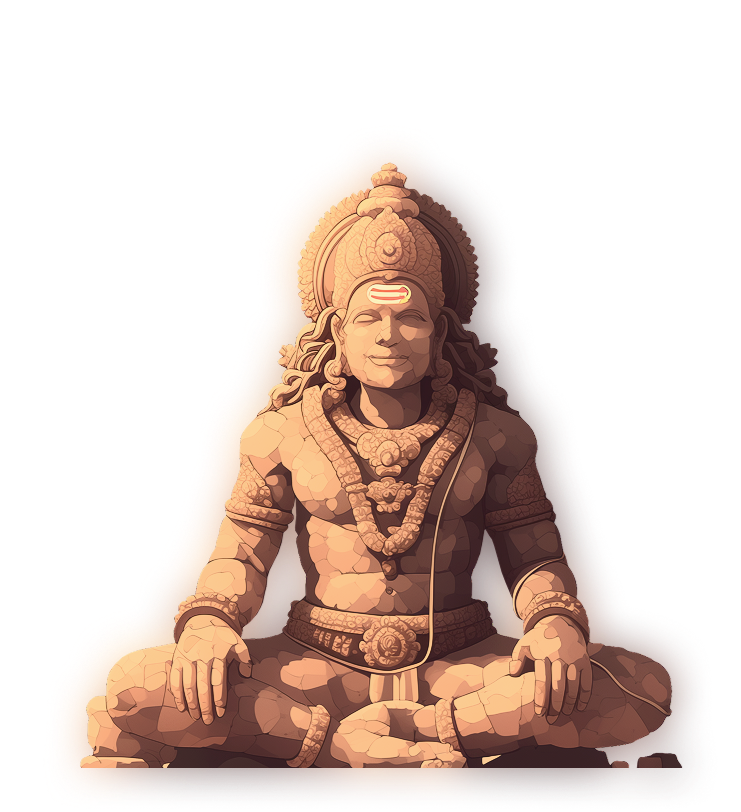
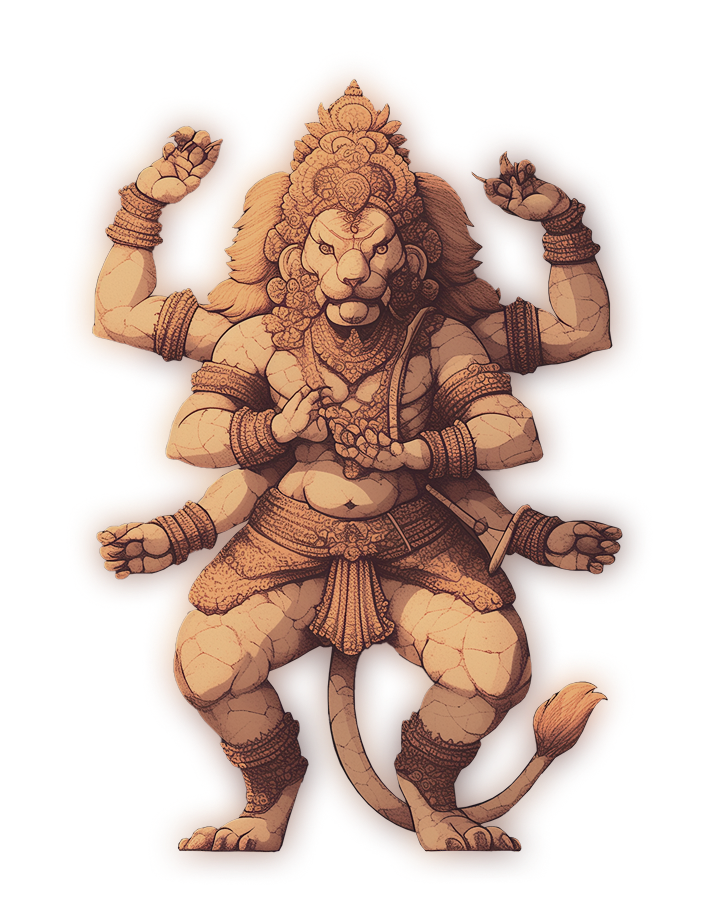
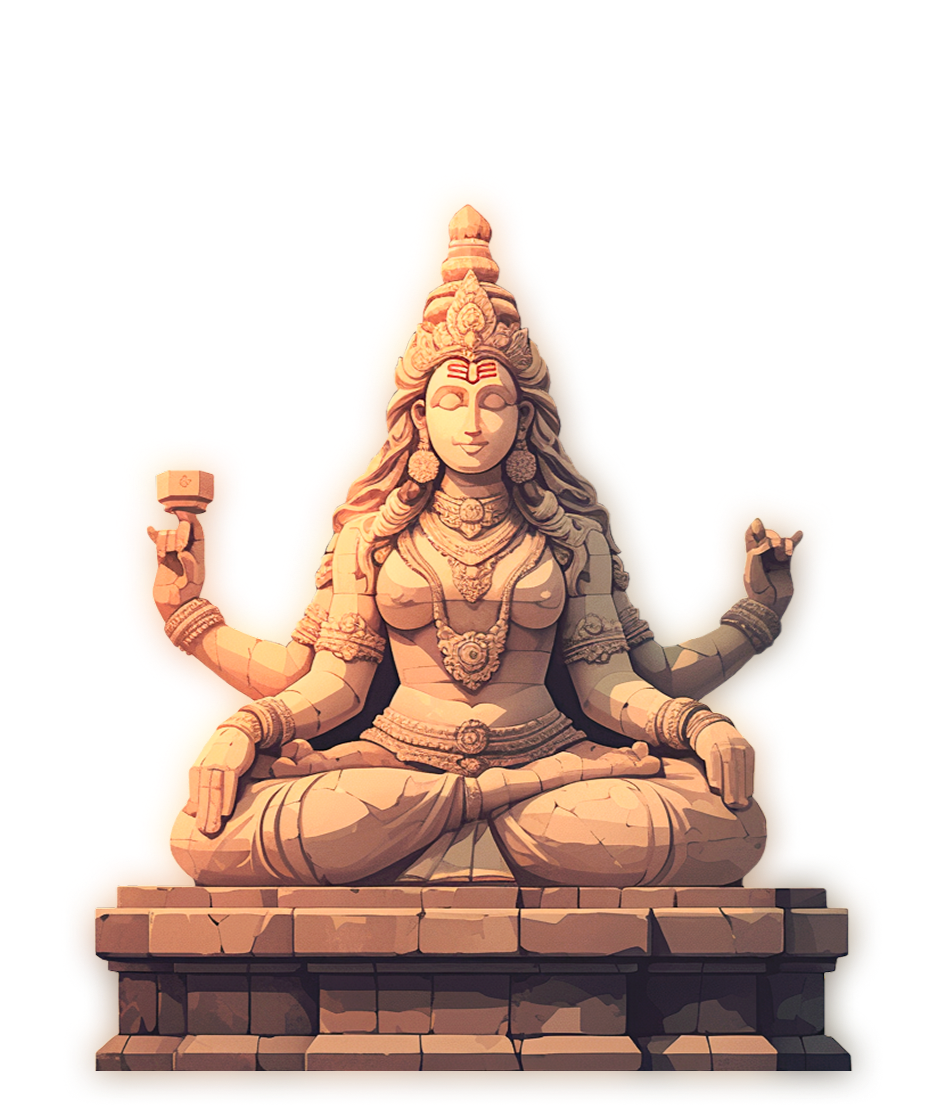
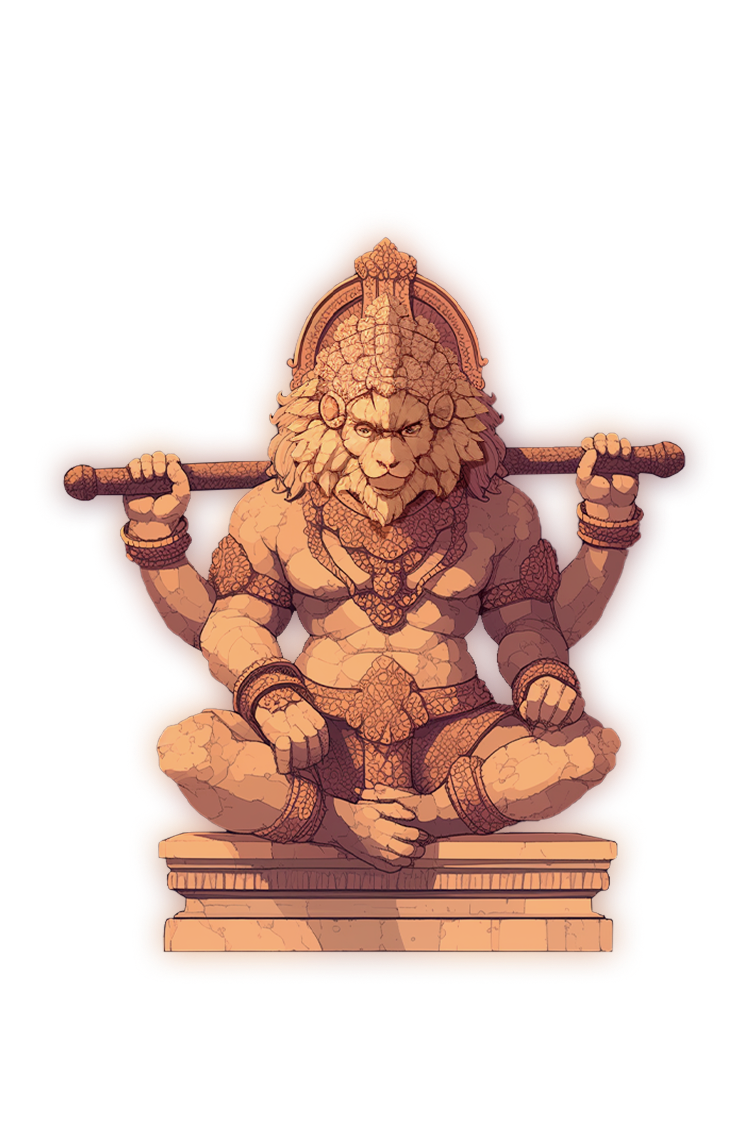
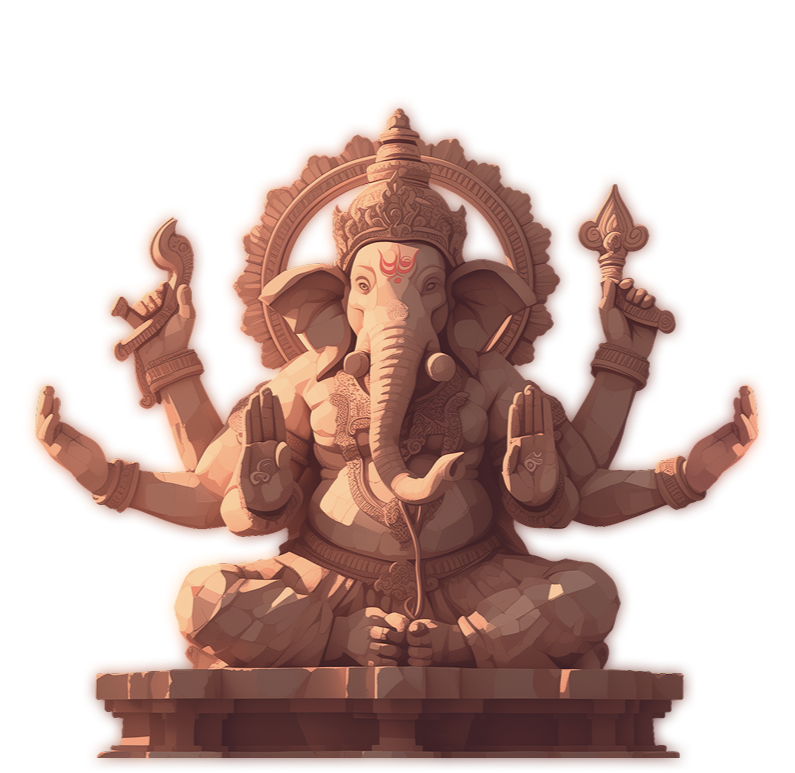
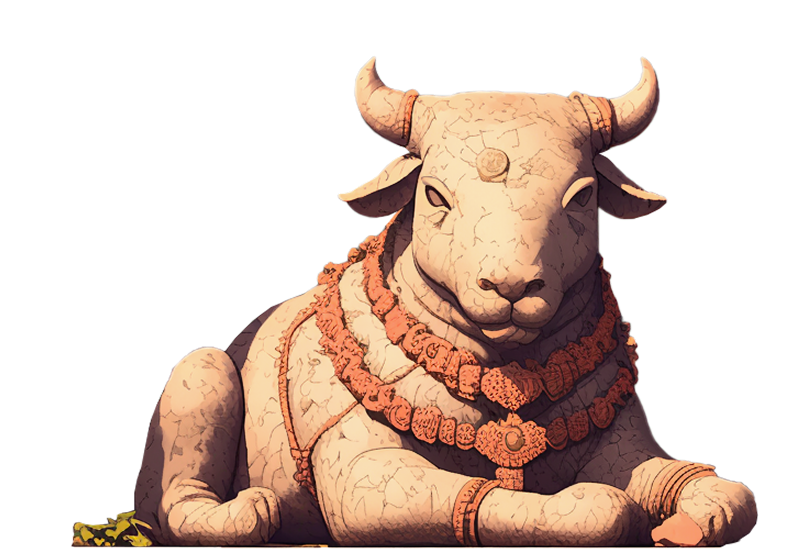









Click on the statues to learn about Indian gods
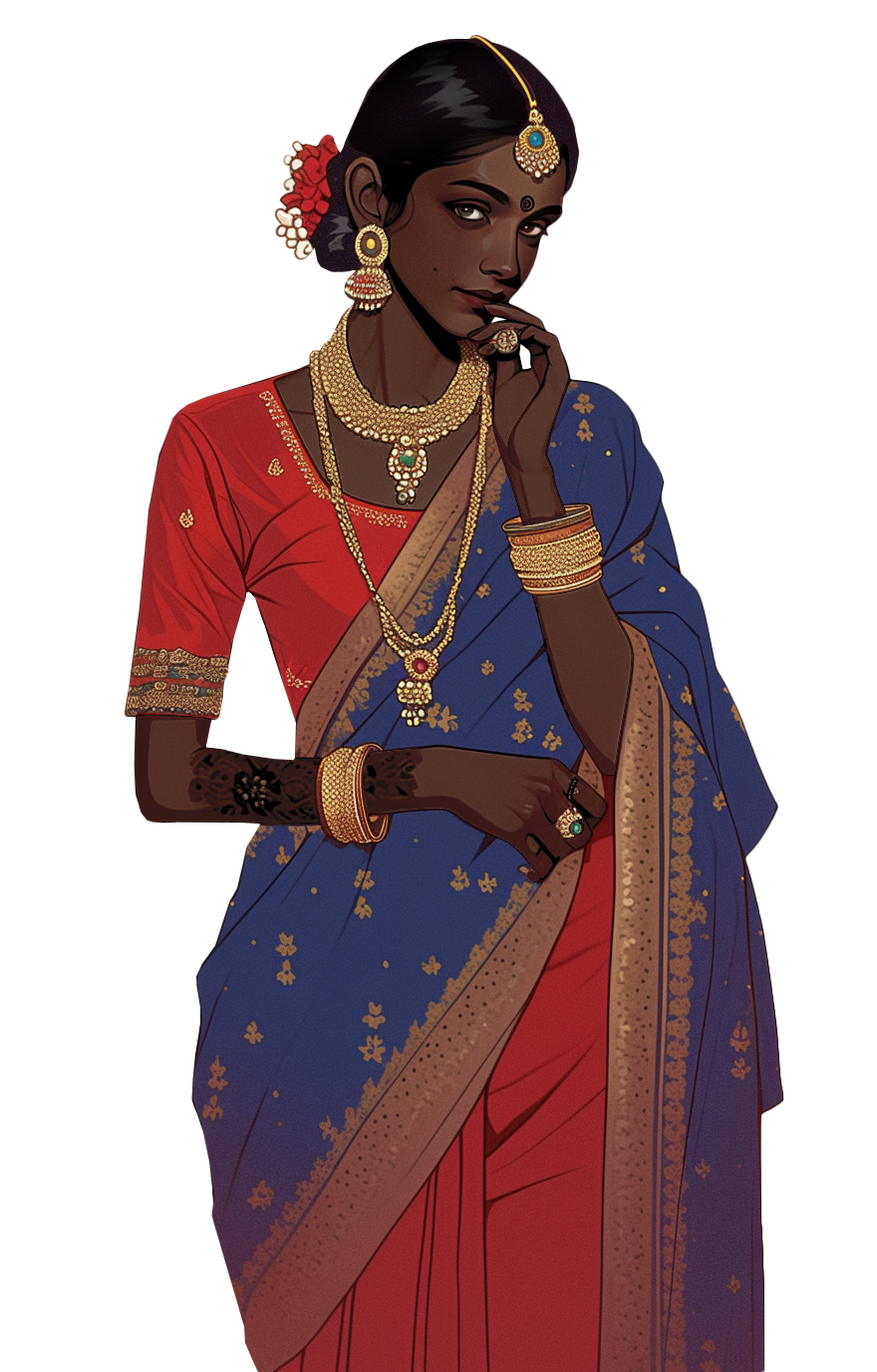
I lived in Bidar and met many people. I revealed my name to them—Afanasy, or, by other names, Khoja Yusuf Khorasani. I made arrangements with the Hindus to go to Parvat, where they have a butkhana—their main temple.


I decided to go home, but before that,
I must say that I learned about distant lands.
I must say that I learned about distant lands.
By the way, what did Afanasy write about cities? Perhaps you will find something interesting.
I arrived from Parvat on the Great Night and watched as the Pleiades and Orion entered the dawn, while the Big Dipper stood with its head to the east.
NEW KNOWLEDGE
Afanasy Nikitin left behind much intriguing information in his travels, not only about life in distant lands but also about the important trading cities of India and its neighbors. However, everything has an end – while the Russian merchant was traveling, he never forgot home. In 1472, he set out on his return journey.
seven long years
Raichur
Pegu
Kozhikode
Ceylon
I sailed for a whole month without seeing anything. The next month I saw the Ethiopian mountains - we gave a lot of rice, pepper, and bread to the Ethiopians. And they did not plunder the ship.
I then walked through deserted lands, and then sailed across the black sea to the city of Kaffa. We didn't enter the port on the first try, storms kept interfering. From Kaffa, I headed home.
FOREVER IN HISTORY
Afanasy Nikitin
Unfortunately, the Tver merchant never reached his hometown. He traveled incredible distances and visited hundreds of cities, but died just 400 kilometers short of Tver. Afanasy passed on his travel notes, "Journey Beyond Three Seas" to Moscow merchants near Smolensk, who delivered them to the capital in 1475.
In 1818 the renowned Russian historian Nikolay Karamzin published the excerpts from "Journey Beyond Three Seas", and a little later, Afanasy Nikitin's travel notes would be published in full. From then on, his incredible journey was never forgotten, for this journey was not just a source of knowledge about distant lands, but a true feat of one of the first Russian researcher.




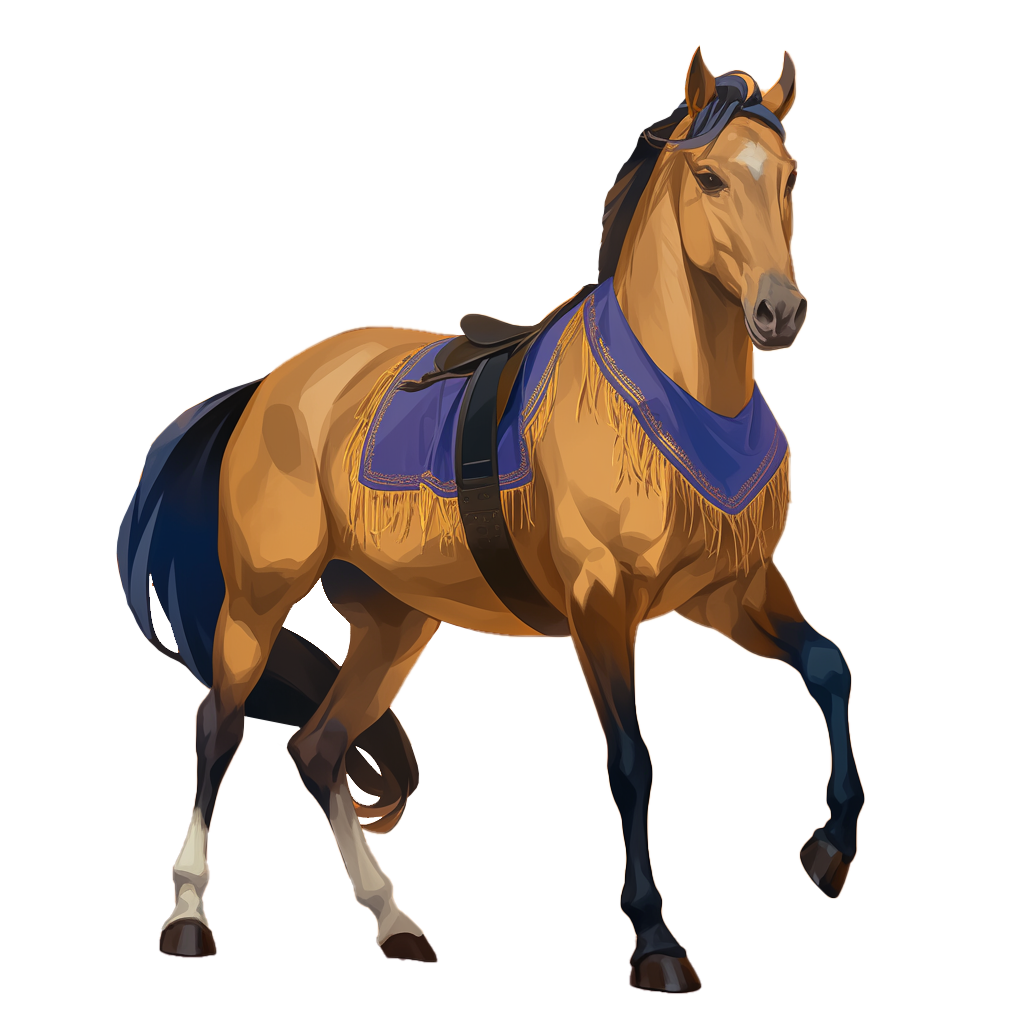
Warhorses were brought to Hormuz from the Golden Horde steppes, and transport horses from Yemen and Oman. They were then sold in India, where horses were not bred, but were in high demand. Merchants bought horses for 9 dinars or 117 grams of silver per head. Up to 6,000 horses were then driven to Hormuz in a single caravan. Each merchant was assigned 100-200 horses.
From Hormuz, the horses were transported by sea to India, where merchants were subject to a duty: 2.5% for Muslims and 10% for non-Muslims. In India, ordinary horses sold for 11 times their original price. The best horses fetched 500 dinars and more (6.5 kg of silver), while the average price was 22 gold dinars (286 grams of silver).
From Hormuz, the horses were transported by sea to India, where merchants were subject to a duty: 2.5% for Muslims and 10% for non-Muslims. In India, ordinary horses sold for 11 times their original price. The best horses fetched 500 dinars and more (6.5 kg of silver), while the average price was 22 gold dinars (286 grams of silver).
1. HORSES
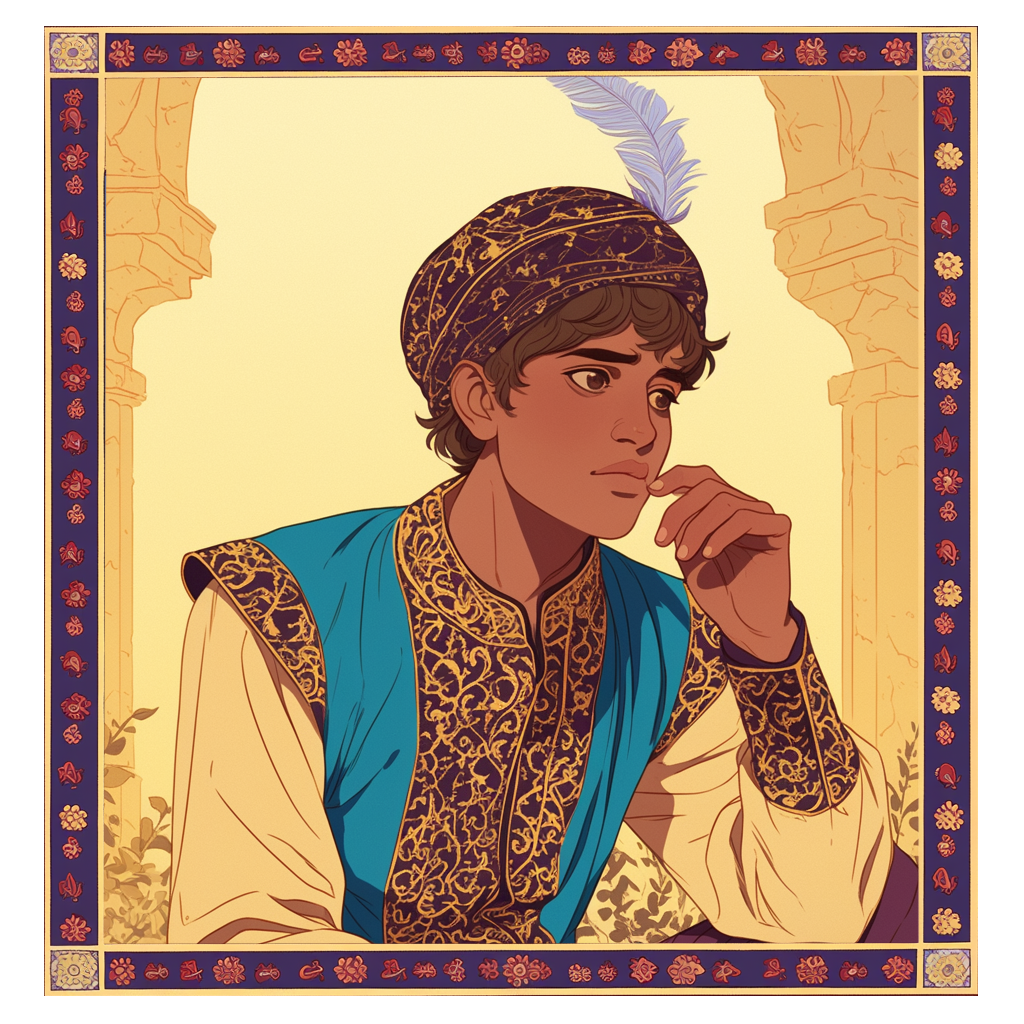
"The Sultan is young, twenty years old—the boyars rule, the Khorasanians rule, and all the Khorasanians fight. And when the Sultan rides out with his mother and wife, he is followed by ten thousand horsemen, fifty thousand footmen, two hundred elephants, all in gilded armor, and before him are a hundred trumpeters, a hundred lyasuns, three hundred riding horses in golden harness, a hundred monkeys, and a hundred concubines."
This is how Afanasy Nikitin writes about the young Sultan Shams ad-Din Muhammad Shah III Lashkari, who was 15-16 years old when he met the Russian merchant. The Sultan was assisted in his rule by an experienced Persian tutor, Mahmud Gavan, whose efforts significantly improved the army and expanded the holdings of the Bahmani Sultanate, with its capital in Bidar.
2. YOUNG SULTAN
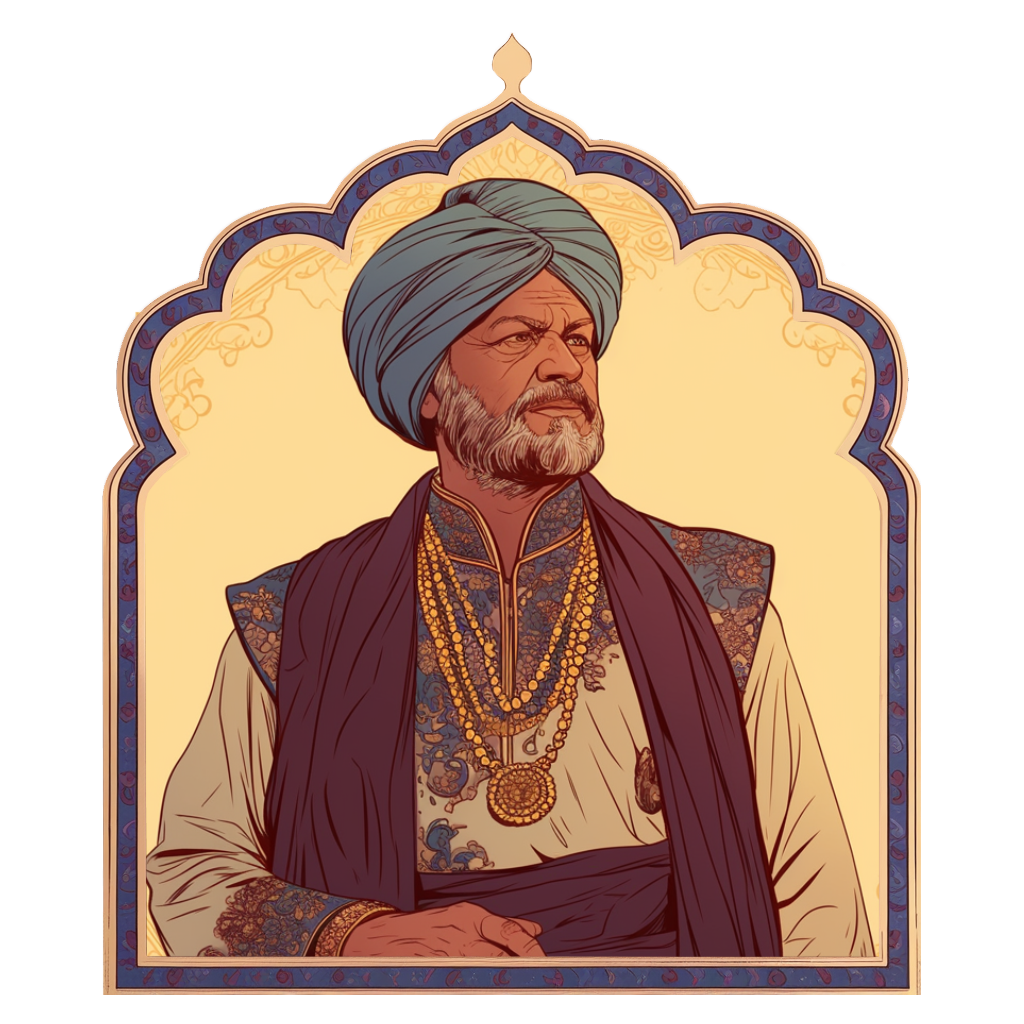
One of the oldest religions in the world, Hinduism originated in India over 4,000 years ago. Key concepts of Hinduism include dharma (moral order), karma (the law of causality), and reincarnation (the transmigration of souls). Hindus practice various rituals and practices, including yoga and meditation, striving for moksha—liberation from the cycle of birth and death.
Garlands of yellow and orange marigolds are an essential attribute of Indian celebrations and everyday life: they symbolize purity, strength, and a new beginning. These flowers are used to decorate homes, wedding attire, food, and are offered as offerings to the gods. Marigolds also have medicinal properties and are used in folk medicine to treat various ailments.
Garlands of yellow and orange marigolds are an essential attribute of Indian celebrations and everyday life: they symbolize purity, strength, and a new beginning. These flowers are used to decorate homes, wedding attire, food, and are offered as offerings to the gods. Marigolds also have medicinal properties and are used in folk medicine to treat various ailments.
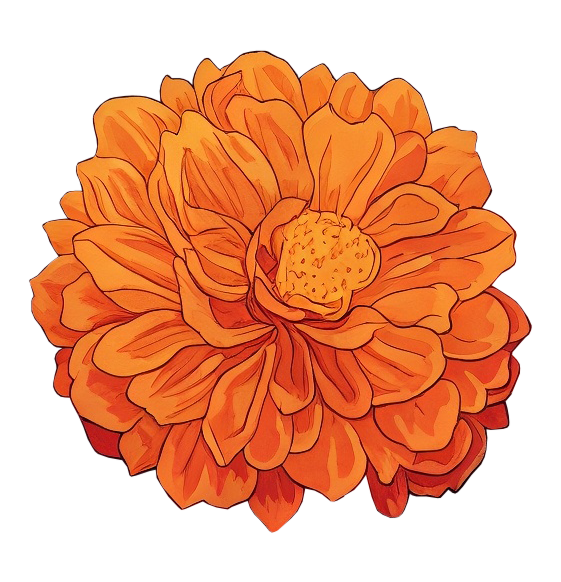
3. HINDUISM
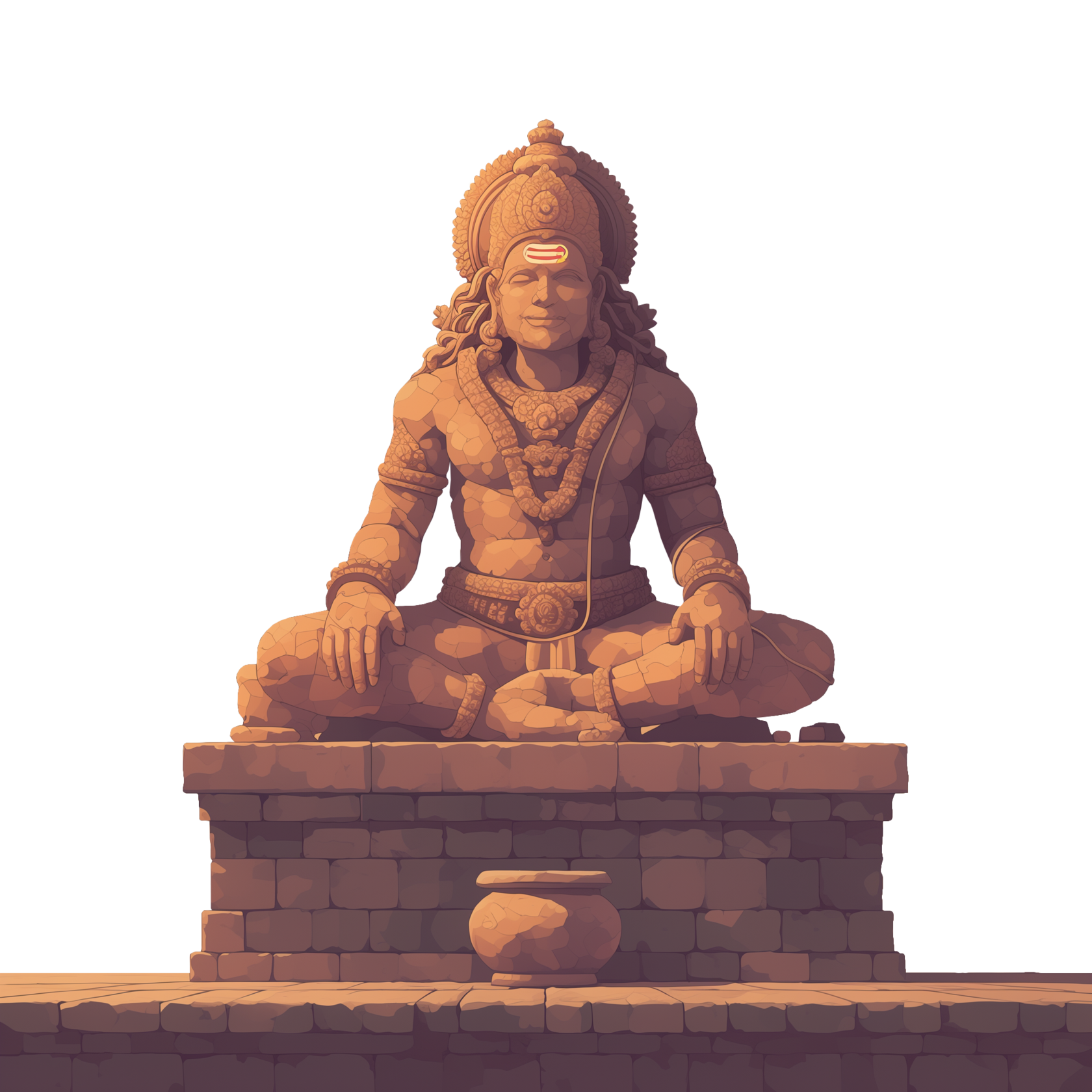
One of the main gods of Hinduism, Shiva is considered both a destroyer and a transformer, representing the power of destruction necessary for renewal and transformation. Shiva is often depicted with a third eye, symbolizing his wisdom and insight, and with a trident. His worship is associated with asceticism and meditation.
SHIVA
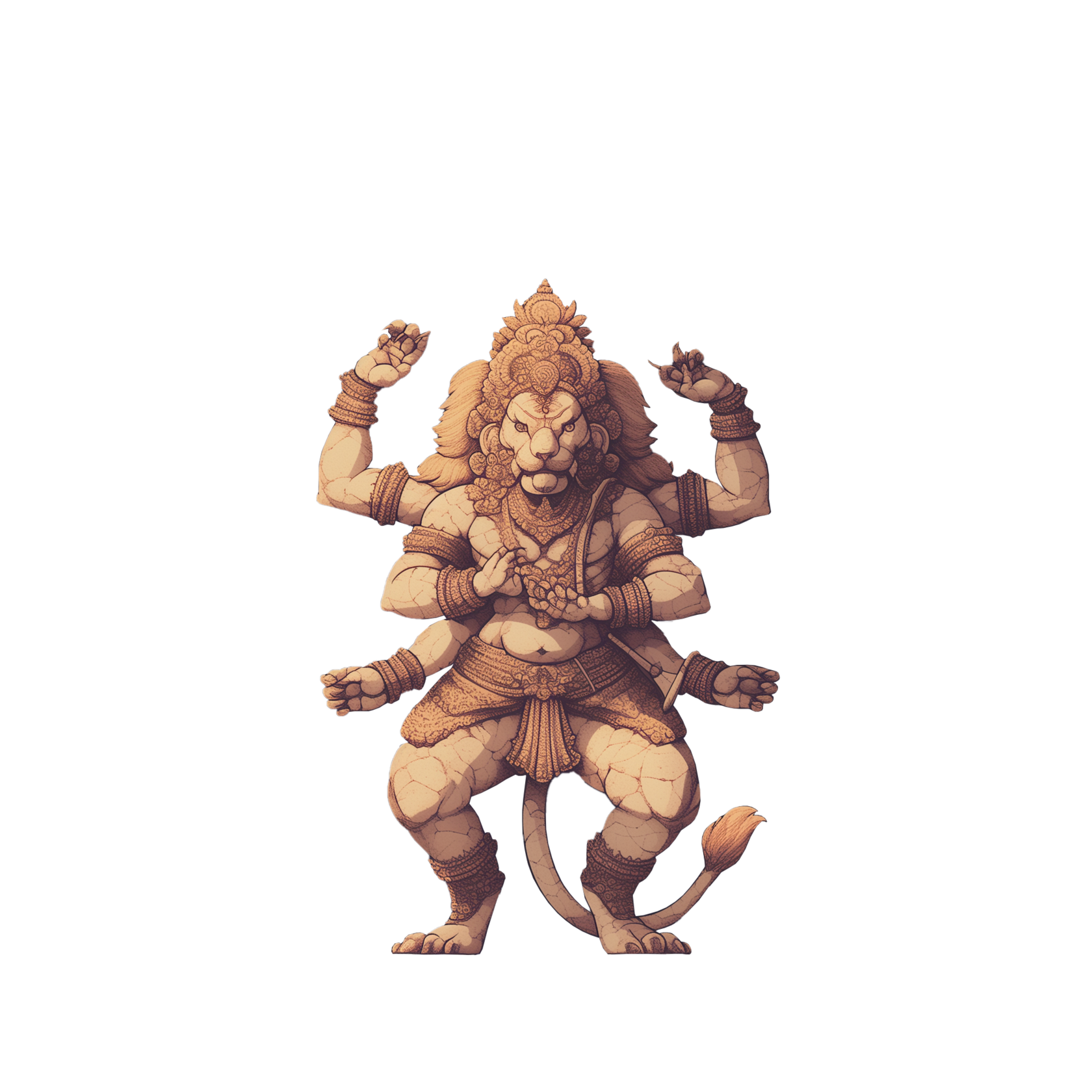
One of the incarnations of God in Hinduism. His name comes from the Sanskrit words "Nara" (man) and "Simha" (tiger, lion), which together mean "Man-Lion." He appears to protect the righteous and restore balance between good and evil. Narasimha symbolizes the victory of divine power over evil and wickedness, as well as the protection of the righteous.
NARASIMHA
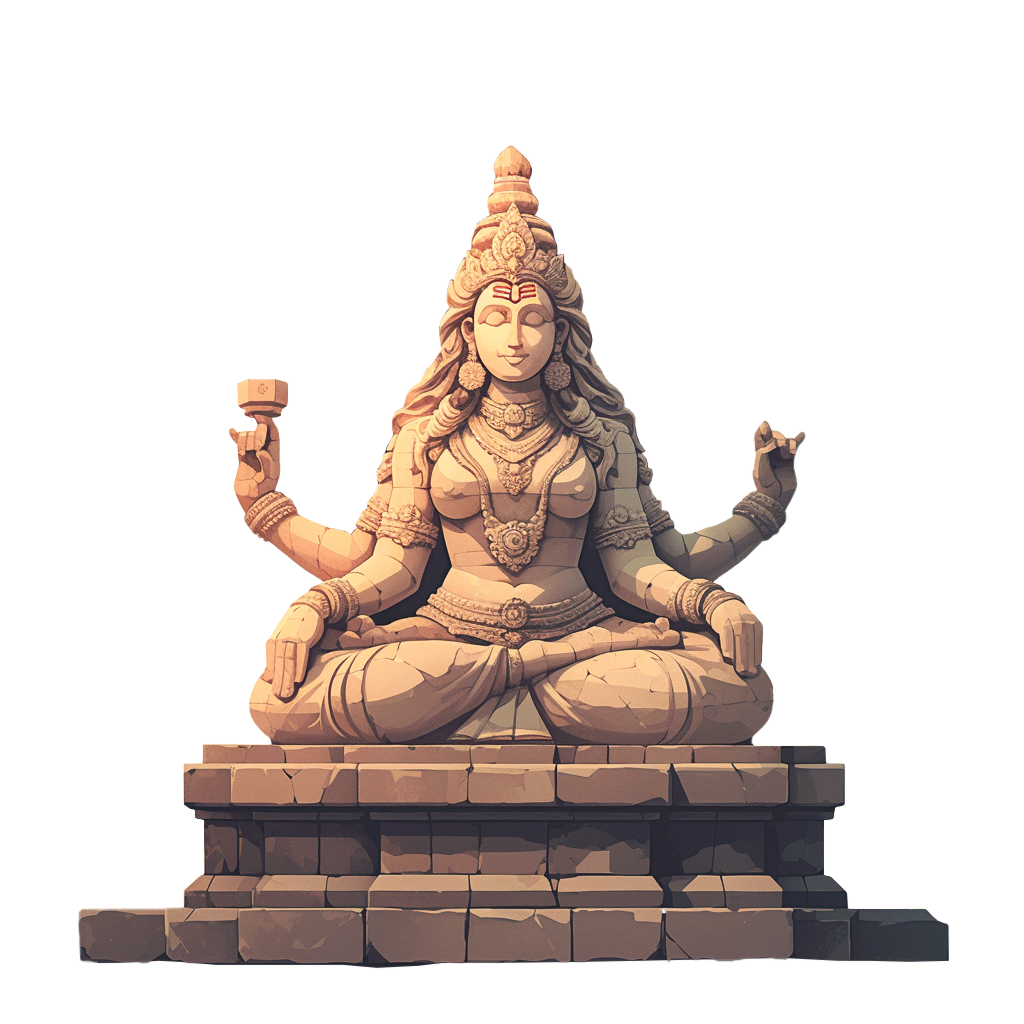
Parvati is the goddess of love, devotion, and strength, the consort of Shiva and the mother of Ganesha and Kartikeya. She personifies femininity and motherhood and plays an important role in Shiva's life, balancing his asceticism and helping him become more open and caring. Parvati is also known as Durga and Kali in her various forms, representing strength and protection.
PARVATI
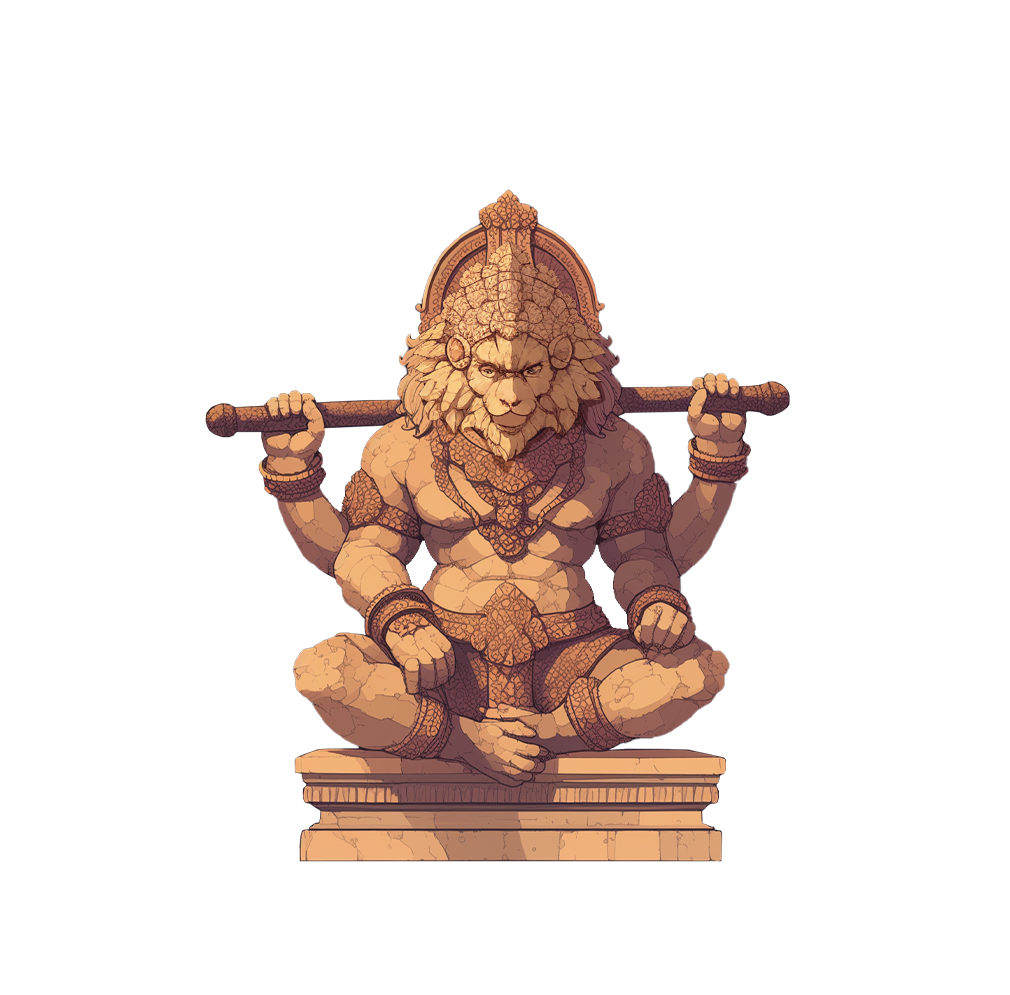
A monkey-god symbolizing devotion, strength, and courage. He is a devoted servant of Rama, the protagonist of the Ramayana epic: when Rama's brother Lakshmana was wounded, Hanuman went to Mount Sanjivani to fetch medicinal herbs. Unsure of the exact herbs, he lifted the entire mountain and brought it back, saving Lakshmana. And this is far from Hanuman's only feat.
HANUMAN
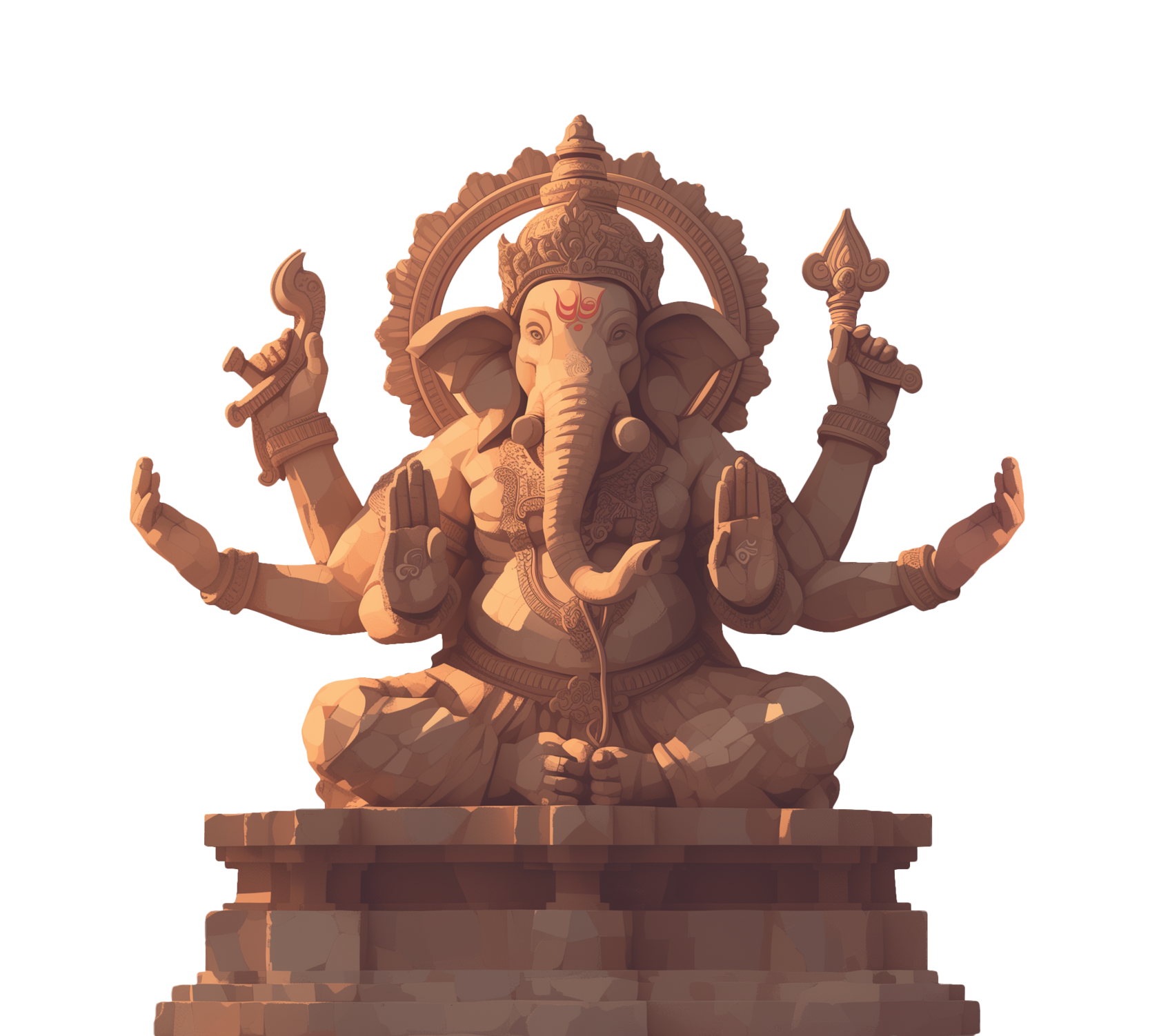
The son of Shiva and Parvati, he is considered the patron of wisdom, good fortune, and new beginnings. Ganesha helps remove obstacles to success and is often worshiped before beginning new endeavors or journeys. His images typically include multiple hands, each holding a different object, symbolizing his diverse abilities. Ganesha also represents creativity and intellect.
Ganesha
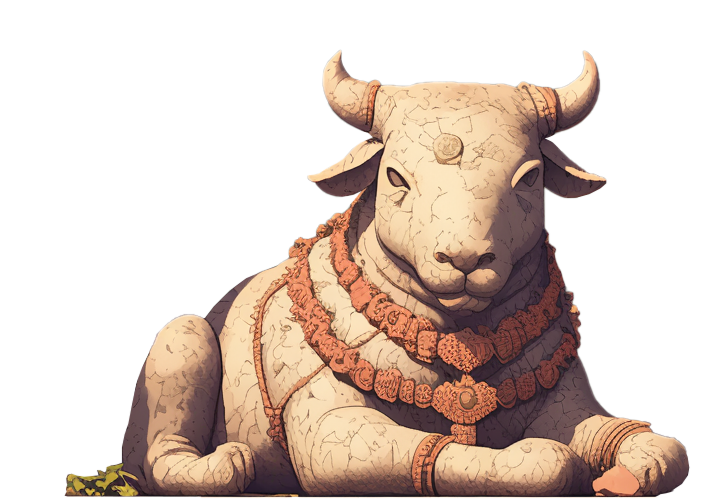
A companion of the god Shiva, Nandi symbolizes strength, endurance, and devotion to the deity. It is often found at the entrance to Hindu temples, as it is believed to guard the sacred space. Worship of Nandi is believed to promote purification of the mind and the development of spiritual qualities.
NANDHI
"There's a sizable harbor on the Indian Sea, and there, on a high mountain, lies our forefather Adam. And near the mountain, they mine precious stones: rubies, phatis, agates. Elephants are born there, and their price is determined by their size, and carnations are sold by weight. They also sell ostriches."
CEYLON
In his travel notes, Afanasy Nikitin doesn't devote the town of Raichur to the attention it deserves, providing only dry facts about diamond production and sales. However, some speculate that this town is the main purpose of his journey—to learn how diamonds are mined, their price, and how to purchase them. This theory hasn't been officially confirmed, but it's entirely plausible, making Afanasy not just a courageous explorer and discoverer, but even a kind of spy on a secret mission.
Raichur